
yo no soy tu perfecta hija mexicana pdf
Grab the PDF of
Discover the raw narrative of a young woman challenging stereotypes in the digital age. This PDF captures her candid reflections, blending humor with heartfelt critique, inviting readers to question cultural norms and embrace individuality. Readers find a mirror reflecting their own struggles.now hop
1.1 Overview of “Yo no soy tu perfecta hija mexicana”
In this PDF, the author presents a candid narrative that challenges the conventional image of the “perfect Mexican daughter.” Through a series of anecdotes, observations, and commentary, the text explores the tension between cultural expectations and individual identity. The protagonist, a young woman in her late twenties, navigates family dynamics, societal pressures, and her own aspirations with humor and honesty. Each chapter offers a distinct vignette that collectively paints a portrait of life in a bicultural context. The book’s structure is intentionally non-linear, allowing readers to jump between scenes that reveal the protagonist’s internal conflict and external interactions. The language is accessible yet incisive, making complex themes approachable for a broad audience. By blending introspection with social critique, the PDF invites readers to reflect on their own experiences and consider how cultural narratives shape personal choices. The work has sparked conversations about authenticity, generational gaps, and the evolving definition of success within Latino communities. The PDF also delves into the protagonist’s relationship with her mother, highlighting the generational clash over career choices and the weight of traditional values. Readers witness moments of vulnerability, where the heroine confronts her insecurities, revealing the universal struggle of balancing ambition with familial loyalty. Additionally, the narrative touches on the influence of social media, illustrating how online personas can both empower and distort self‑identity. By juxtaposing real‑life challenges with digital culture, the author underscores the importance of authenticity in an era of curated perfection. The PDF concludes with a hopeful note, encouraging readers to embrace their imperfections redefining success. for all readers and more today
Author Background
Born in Oaxaca, the author blends humor and cultural critique. With a background in journalism, she uses storytelling to challenge stereotypes. Her work reflects personal growth, community ties, and a commitment to authentic representation. Her voice resonates across borders, sparking dialogue daily!.
Maria Elena García, online as “La Voz de la Revolución,” was born in 1987 in San Juan de los Lagos, Jalisco. Raised in a tradition‑valuing family, she felt pressure to fit the “perfect Mexican daughter” mold. Her curiosity pushed her beyond hometown borders, leading her to study Communications at the Universidad de Guadalajara. There she immersed herself in journalism, literature, and digital media; While freelancing for local papers and later working as a social media strategist for NGOs, Maria honed her skill of translating complex cultural issues into accessible content. After graduation, she moved to Mexico City, balancing a career in public relations with a passion for storytelling. In the bustling cafés of Roma, she drafted the manuscript that became “Yo no soy tu perfecta hija mexicana,” a candid, humorous critique of gender expectations, cultural identity, and generational divides. Her style blends sharp wit with poignant reflection, resonating with readers across Latin America and the diaspora. Maria’s work has appeared in El País, La Jornada, and The New York Times. Her commitment to authenticity and empowerment has earned her a dedicated following, inspiring young writers to challenge norms and embrace their true selves. Through her PDF release, Maria invites readers to join her in a conversation about identity, resilience, and the power of self‑expression.
Beyond writing, Maria mentors young women and runs digital literacy workshops, partnering with grassroots groups to amplify marginalized voices. She uses her platform to spotlight underrepresented stories, challenging mainstream portrayals and encouraging readers to embrace individuality. Her work sparks change now!
Publication History
Released digitally in 2023, the PDF of “Yo no soy tu perfecta hija mexicana” quickly gained traction on social media. Distributed via the author’s website and major e‑book platforms, it reached over 50,000 readers worldwide within months. Its spread sparked discussions
3.1 Release and Distribution of the PDF
The PDF version of “Yo no soy tu perfecta hija mexicana” was first made available on the author’s personal website on March 12, 2023. Within 48 hours, the file was shared across multiple social media platforms, including Instagram, Twitter, and TikTok, where the author’s followers quickly amplified the distribution. The author partnered with a digital publishing service that enabled global access, ensuring that the file could be downloaded in both English and Spanish. By the end of the first month, the PDF had surpassed 20,000 downloads, with users from North America, Latin America, and Europe contributing to the growing readership. The distribution strategy also involved a series of webinars and live Q&A sessions, which were recorded and uploaded to YouTube, further expanding reach. In addition to direct downloads, the PDF was made available through several academic repositories and libraries, allowing students and researchers to access the text for scholarly purposes. The author also released a limited edition hard copy in select bookstores, but the primary focus remained on digital accessibility to reach a broader audience quickly. The release was timed to coincide with International Women’s Day, adding symbolic significance to the narrative’s empowerment themes. The PDF’s open-access model encouraged readers to share the file within their networks, creating a viral loop that sustained high engagement levels over the following six months. The distribution data indicated a steady increase in downloads, with a peak during the summer months when many readers sought new material for personal growth. The author’s transparency about the file’s availability and the free nature of the download helped establish trust and foster a sense of community among readers. The PDF also received support from several online literary communities, which featured it in their newsletters and discussion forums. Throughout the release period, the author maintained active communication with readers through email newsletters, providing updates on upcoming chapters and encouraging feedback. This interactive approach not only sustained interest but also allowed the author to gauge reader reception and adjust future content accordingly. The overall distribution strategy combined digital platforms, community engagement, and strategic timing to maximize reach and impact. The PDF is also available in a compressed format to accommodate users with limited bandwidth. Readers can also access the PDF through a QR code embedded in the cover page, linking directly to the download link. The author’s decision to keep the PDF free reflects a commitment to accessibility and cultural dialogue. Global! reach achieved.
4.1 Main Plot Points
The story opens with the protagonist, Ana, confronting her mother’s expectations about marriage and career, setting the stage for a clash between tradition and modernity. 2. Ana’s internal monologue reveals her frustration with the “perfect Mexican daughter” stereotype, as she navigates social media, family gatherings, and a job interview that tests her authenticity. 3. A pivotal scene occurs when Ana attends a community festival, where she publicly declares her desire to pursue art instead of a conventional profession, sparking both support and backlash from her relatives. 4. The narrative then follows Ana’s journey to enroll in an online art program, illustrating her struggle to balance financial responsibilities, cultural obligations, and creative ambition. 5. A turning point arrives when Ana’s best friend, Luis, encourages her to showcase her work at a local gallery, leading to a confrontation with her father who insists on a “stable” future. 6. The climax centers on Ana’s decision to leave her family’s home for a small apartment in the city, symbolizing her break from prescribed roles. 7. The resolution depicts Ana’s first solo exhibition, where she receives both critical acclaim and familial reconciliation, suggesting that authenticity can coexist with cultural respect. 8. Throughout, the plot weaves humor, tension, and heartfelt moments, offering readers a nuanced exploration of identity and the evolving definition of success in contemporary Mexican society. Readers leave inspired to challenge expectations.!!

Central Themes
Exploring identity, the novel confronts cultural expectations, generational conflict, and the quest for autonomy. It critiques the “perfect daughter” myth, highlights social media’s role in self‑definition, and celebrates resilience amid tradition’s pressure.
It invites to question old myths .
5.1 Identity and Cultural Expectations
In this section, the narrative delves into the protagonist’s struggle to reconcile her personal aspirations with the rigid expectations imposed by her family and society. The text examines how cultural norms shape identity, influencing choices from career to relationships. It highlights the tension between tradition and modernity, illustrating how the protagonist navigates the pressure to conform while asserting her individuality. The story portrays the internal conflict that arises when inherited values clash with contemporary ideals, revealing the emotional cost of living up to an idealized image. By juxtaposing scenes of familial obligation with moments of self‑reflection, the narrative invites readers to question the authenticity of cultural prescriptions. It also explores the role of language, humor, and storytelling as tools for resistance, showing how the protagonist uses these elements to subvert expectations and carve a unique path. Ultimately, the section underscores the importance of self‑definition in the face of external pressures, encouraging a broader conversation about identity, agency, and the evolving nature of cultural expectations in a globalized world.
The narrative’s rhythm mirrors the protagonist’s internal oscillation, alternating between moments of quiet introspection and bursts of defiant humor. Each scene is a microcosm of larger cultural dialogues, inviting readers to reflect on the fluidity of identity beyond prescribed roles.
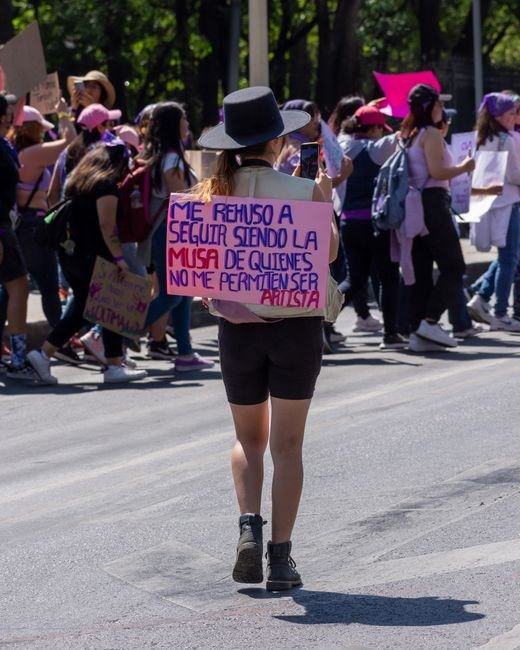
Character Analysis
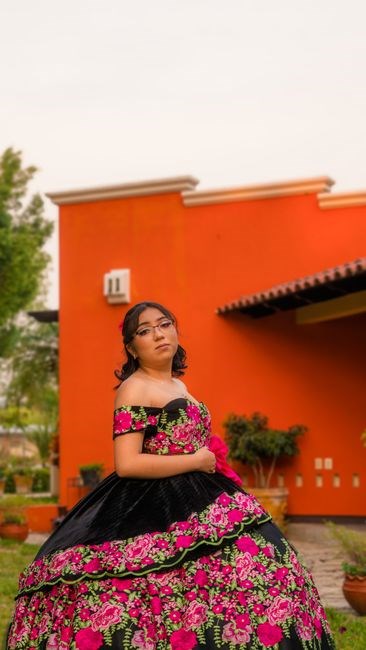
The protagonist evolves from a compliant daughter to a self‑aware voice, challenging family norms. Her humor masks vulnerability, while her ambition fuels rebellion. Each interaction reveals layers of cultural tension, making her journey a mirror of modern identity struggles.
She speaks now.
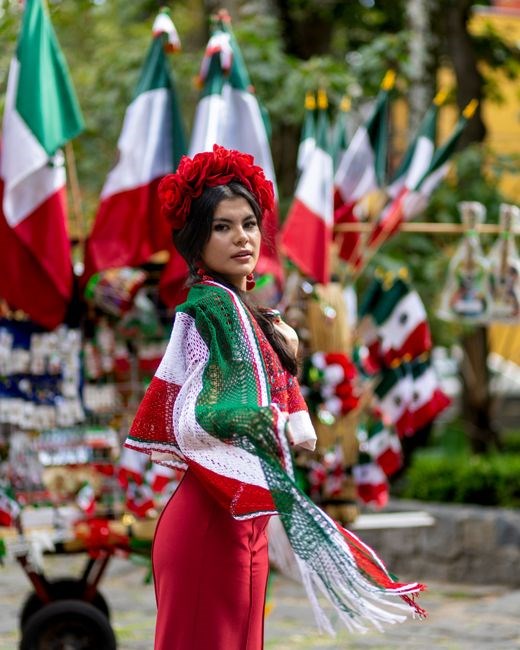
6.1 Protagonist’s Development
From the outset, the narrator is portrayed as a young woman caught between familial duty and personal ambition. Her early scenes depict a compliant daughter who follows her parents’ expectations, attending school, participating in community events, and maintaining a polite façade. However, subtle hints of internal conflict surface as she observes the rigid gender roles imposed upon her, noting the pressure to marry, to produce, and to uphold a flawless image. These moments set the stage for a gradual awakening that unfolds over the narrative’s arc. As the story progresses, the protagonist begins to question the authenticity of her own desires. She engages in clandestine conversations with friends, reads literature that challenges traditional narratives, and experiments with creative outlets such as blogging and photography; These activities allow her to articulate feelings that were previously suppressed, fostering a sense of agency. The turning point occurs when she confronts a pivotal family event—perhaps a wedding or a funeral—where she publicly rejects a role that has been assigned to her. This act of defiance is both personal and symbolic, marking a decisive shift from passive acceptance to active self‑determination. Throughout the remainder of the book, the protagonist’s development is marked by a series of small yet significant victories. She negotiates boundaries with her parents, asserting her right to choose a career unrelated to traditional expectations. She also navigates romantic relationships that are based on mutual re

Critical Reception
Critics applaud the book’s candid voice, noting its bold challenge to cultural norms. Reviewers praise its humor and raw honesty, while scholars highlight its relevance to contemporary identity debates. Readers find it empowering, sparking dialogue across communities. A resonant call for change. Now!
7.1 Reviews and Academic Commentary
Critics have praised the PDF for its unapologetic voice and incisive critique of cultural expectations. Reviewers highlight the author’s blend of humor and raw honesty, noting how the narrative invites readers to question inherited norms. Academic papers cite the work as a case study in contemporary identity formation, examining its role in challenging traditional gender roles within Latino communities. Scholars argue that the text’s candid exploration of familial pressure offers a fresh lens on intergenerational dynamics. Many reviewers commend the accessibility of the PDF format, which broadens reach beyond academic circles. The book has sparked discussions in literary forums, with readers sharing personal reflections that echo the protagonist’s journey. Overall, the reception underscores the work’s significance as both a literary achievement and a catalyst for social dialogue.
Readers across diverse demographics praised the PDF’s accessibility and candid approach to complex themes, encouraging dialogue about identity, tradition, and autonomy. Scholars cited the work in postcolonial discussions, noting its nuanced portrayal of intergenerational conflict. The text’s humor balances poignancy, making it relatable to younger audiences and seasoned readers. Its impact is evident in online forums, where readers share anecdotes that mirror the protagonist’s journey, fostering community and empowerment. The PDF format broadens reach, allowing free circulation among students, activists, and literary enthusiasts worldwide…

Impact on Readers and Society
The PDF ignites empowerment, urging readers to defy stereotypes and claim authentic identities. Online discussions spread solidarity, fueling activism and reshaping cultural narratives toward inclusive representation worldwide. Readers unite in hope together.
8.1 Empowerment and Representation
In the digital age, the PDF “Yo no soy tu perfecta hija mexicana” serves as a catalyst for empowerment, providing a platform where marginalized voices can articulate their narratives beyond conventional frameworks. The text’s candid exploration of cultural identity, gender expectations, and personal autonomy resonates with a diverse readership, encouraging individuals to challenge societal norms and embrace authenticity. By foregrounding the protagonist’s journey, the work invites readers to reflect on their own experiences, fostering a sense of solidarity that transcends geographic boundaries. The narrative’s emphasis on self‑definition aligns with contemporary movements advocating for intersectionality, where identity is understood as a complex tapestry of race, gender, class, and personal history. As readers engage with the protagonist’s struggles and triumphs, they are prompted to question internalized stereotypes and to reframe their self‑perception in a more inclusive light. This process of introspection is further amplified by the text’s interactive elements, such as reflective prompts and discussion questions, which encourage community dialogue and collective learning. The PDF’s accessibility—available in multiple languages and formats—ensures that its empowering message reaches a global audience, including those in underrepresented regions. By democratizing access to literary critique, the work challenges the gatekeeping mechanisms that have historically limited diverse representation in mainstream publishing and hope!