

media arabic an essential vocabulary pdf
Grab the ultimate Arabic vocabulary PDF packed with essential words and phrases for beginners. Learn fast, speak confidently, and boost your language skills today!
Book Overview

Media Arabic: An Essential Vocabulary (2012) offers concise, up‑to‑date terms for media professionals. It presents 8 topical sections, each with key phrases, idioms, and loanwords, plus vocalisation and English translations to aid rapid learning. It also offers a grammar guide and dialect terms daily.
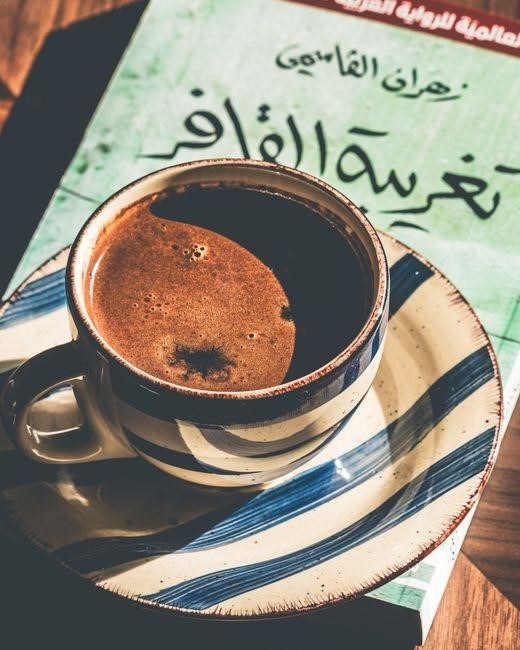
Author and Editorial Context
Elisabeth Kendall, a seasoned linguist and media specialist, authored Media Arabic: An Essential Vocabulary. Her expertise in contemporary Arabic and journalism shaped the concise, practical lexicon. The book reflects a collaborative editorial effort, ensuring accuracy and relevance for media professionals. 2026
Elisabeth Kendall’s Background
Elisabeth Kendall, born in 1965, is a distinguished linguist and media expert whose career has spanned academia, journalism, and language education. She earned a BA in Modern Languages from Oxford, followed by an MPhil in Applied Linguistics at Cambridge, where her doctoral thesis examined contemporary Arabic media discourse. Kendall has taught at SOAS, UCL, and the American University in Cairo, developing media‑Arabic curricula that blend reporting practice with linguistic analysis. Her professional experience includes senior editorial roles at Al Jazeera and the BBC Arabic Service, overseeing content strategy and quality control for broadcasts and online platforms. An accomplished author, she has published over twenty peer‑reviewed articles on Arabic language pedagogy, media linguistics, and cross‑cultural communication. Her most notable work, Media Arabic: An Essential Vocabulary (2012), has become a staple resource for journalists, translators, and students navigating the evolving landscape of Arabic media. Kendall serves on the editorial board of the Journal of Arabic Language and Linguistics and frequently speaks at international conferences on media language and digital communication. Her contributions have earned her awards such as the British Council’s Excellence in Language Education Award and the International Association of Media Linguists’ Lifetime Achievement Award. Kendall continues to shape the field through consultancy with media organisations, workshops on Arabic language training, and ongoing research into how social media influences Arabic linguistic practices.

Thematic Organization
Media Arabic: An Essential Vocabulary is organized into eight thematic sections: General, Politics, Elections, Military, Economics, Trade & Industry, Law & Order, and Disaster & Aid. Each section groups related terms, idioms, and loanwords, enabling focused study of media contexts. for journalists and editors!!!!
Eight Core Sections Covered
Media Arabic: An Essential Vocabulary is divided into eight thematic sections that mirror the breadth of contemporary media coverage. The first section, General, supplies everyday reporting terms, source descriptors, and common idioms that anchor any news narrative. Politics covers parliamentary jargon, political party terminology, and the lexicon of electoral campaigns, enabling reporters to navigate governmental discourse. Elections focuses on voting processes, ballot terminology, and election monitoring phrases. Military presents terminology related to armed forces, conflict reporting, and defense policy. Economics offers vocabulary for market analysis, financial instruments, and macroeconomic indicators. Trade and Industry contains terms for commercial transactions, industrial regulations, and global supply chains. Law and Order supplies legal terminology, court procedures, and crime reporting language. Finally, Disaster and Aid covers natural disaster descriptors, humanitarian response vocabulary, and international aid mechanisms. Each section is curated to provide context, usage examples, and translational support, ensuring that journalists can quickly locate and apply the precise terminology required for accurate, timely reporting across all media platforms. This concise structure equips reporters with tools to navigate complex media landscapes. now
Vocabulary Content Overview
Media Arabic: An Essential Vocabulary offers a curated list of over 1,200 terms, spanning news, politics, economics, and culture. Each entry includes Arabic script, vocalisation, English translation, contextual usage, and related idioms, ensuring precise, culturally aware communication for journalists worldwide!!!

Key Vocabulary Themes
Media Arabic: An Essential Vocabulary is organized around eight principal thematic sections that mirror the structure of contemporary newsrooms. The General section introduces foundational reporting terms, source identifiers, and everyday media idioms that establish a baseline for all subsequent topics. Politics covers government hierarchies, legislative debates, diplomatic phrasing, and policy analysis, while Elections supplies terminology for campaign strategies, polling data, voter turnout, and electoral law. Military vocabulary includes operational directives, defense policy, conflict terminology, and intelligence reporting. Economics and Trade & Industry sections provide phrases for market dynamics, trade agreements, industrial policy, and financial reporting. Law & Order supplies legal terminology, judicial procedures, crime reporting language, and regulatory frameworks. Disaster & Aid offers emergency response vocabulary, humanitarian assistance, crisis communication, and relief coordination. Beyond these core sections, the book integrates everyday themes such as Home & Family, Work & Education, Travel & Tourism, Media & Communication, Hobbies & Sport, and Religious Expressions, ensuring that readers can navigate both professional and casual contexts. Each entry is accompanied by Arabic script, vocalisation, English translation, contextual usage notes, and related idioms, creating a comprehensive linguistic resource for journalists, translators, and media professionals operating in Arabic‑speaking environments worldwide. It also includes quick reference tables for rapid learning!!.!

Learning Features and Tools
The book offers contemporary vocabulary lists, Arabic vocalisation, English translations, loanword insights, a concise grammar toolbox, key dialect terms, and a reference guide, all designed for rapid, contextual learning in media contexts. It also features reference tables, pronunciation guides, cultural insights.!
Contemporary Vocabulary, Loanwords, and Grammar Toolbox
Media Arabic: An Essential Vocabulary equips learners with a selection of contemporary terms that mirror the dynamic nature of media discourse. The compilation features over 1,200 entries across politics, economics, technology, and culture, many newly coined or adapted. Each entry is presented with its Arabic form, vocalisation, and a precise English translation, ensuring that users can immediately grasp usage context and pronunciation nuances;
The book’s loanword section delves into the integration of Arabicised English, French, and Turkish expressions, offering etymological notes and usage guidelines. This focus helps students recognize how global concepts are localized, facilitating smoother translation and communication in international reporting.
Complementing the lexical content is a concise grammar toolbox that outlines essential rules and structures for media writing. Topics include nominal sentences, passive constructions, reported speech, and the use of relative clauses in news reports, allowing learners to see practical application and reinforce retention.
Additionally, the resource includes a set of key dialectal terms frequently encountered in broadcast media, along with a brief cultural commentary that contextualises idiomatic expressions. This holistic approach ensures that students not only learn words but also understand the stylistic and cultural nuances that shape contemporary Arabic media.
The resource offers quizzes to reinforce learning and assess retention daily soonnow.
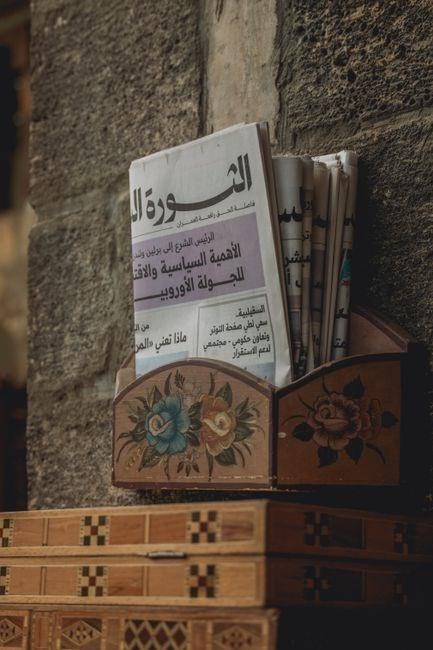
Pronunciation and Translation Assistance
Every entry includes vocalisation and precise English translation, enabling quick pronunciation checks and accurate meaning. The guide offers phonetic cues, stress markers, and example sentences, ensuring learners can read, speak, and translate media terms confidently. Use it for precise media reporting.!!
Vocalisation and English Translations
Media Arabic: An Essential Vocabulary equips learners with comprehensive vocalisation for every term, ensuring accurate pronunciation across dialects. Each entry is annotated with diacritics, stress markers, and phonetic transcription in the International Phonetic Alphabet, allowing users to master subtle vowel shifts and consonant emphases. The guide pairs these phonetic cues with clear, literal English translations that preserve nuance, enabling readers to understand context and usage. Additionally, example sentences illustrate how words function in real media contexts, reinforcing both pronunciation and meaning. The bilingual format supports quick reference during live reporting, translation tasks, or academic study, making it an indispensable resource for journalists, translators, and language enthusiasts alike. The book also offers a pronunciation cheat sheet summarizing common vowel patterns and consonant clusters, and a section on regional variations that highlights differences between Levantine, Egyptian, and Gulf Arabic. By integrating these tools, learners can adapt their speech to diverse audiences and media outlets. The translations are curated by native speakers and verified by linguistic experts, ensuring cultural relevance and accuracy. Whether you are drafting a news bulletin, translating a press release, or preparing a broadcast script, the vocalisation and translation assistance in this volume provides a reliable foundation for effective communication. This resource is in

Integration with Complementary Resources
This edition pairs with Julia Ashtiany’s Media Arabic coursebook, letting learners apply vocabulary to authentic news scripts. Together, they boost comprehension, retention, and real‑time reporting skills. The synergy enhances fluency. for live broadcasts
Use with Julia Ashtiany’s Media Arabic
Students can use the word lists as flashcards, matching terms with their English equivalents. The guide’s pronunciation guides help with accurate mouth positioning for non‑native speakers. Students can use the guide to create cards