

az drivers license manual
Get the latest Arizona Driver
Overview of the Arizona Driver’s License Manual
The Arizona Driver’s License Manual guides applicants on eligibility, application steps, fees, testing, and renewal․ It includes a new section on interacting with law enforcement, reflecting updates by the Arizona Department of Public Safety․ It also outlines rules safety tips discipline and consequences․

Eligibility and Eligibility Requirements
To qualify for an Arizona driver’s license, applicants must meet several criteria․ First, they must be at least 16 years old for a standard license, 15 for a provisional license, and 18 for a commercial license․ Second, they must be a legal resident of Arizona, proven by a valid state ID, utility bill, or lease agreement․ Third, they must possess a Social Security number or a valid immigration document․ Fourth, applicants must complete the required driver education or training course if under 18, and pass the written knowledge test․ Fifth, they must provide proof of lawful presence, such as a birth certificate or passport, and a completed application form; Sixth, applicants must be physically and mentally fit to drive, demonstrated by a vision screening and, if necessary, a medical examination․ Finally, they must pay the applicable fees and submit all required documents to the Arizona Department of Public Safety․ Failure to meet any of these requirements will result in denial of the license application․
Applicants must also carry proof of insurance, a valid registration, and a vehicle inspection sticker if required․ They should present these documents during roadside checks․ Drivers should know Arizona’s speed limits, right‑of‑way rules, and penalties for infractions like speeding or failure to yield․ Understanding these rules helps avoid fines and points that affect insurance rates and driving privileges․ Staying updated on manual changes promotes safer driving habits daily!now!

Application Process and Required Documents
To apply for an Arizona driver’s license, visit a local Department of Public Safety office or use the online portal․ Complete the application form (DL-1) and provide the following documents: a valid Social Security card or proof of SSN, a birth certificate or passport for age verification, proof of Arizona residency (utility bill, lease or bank statement), and a current vehicle registration if applying for a commercial license․ For minors, a signed parent or guardian consent form is required․ Bring a completed driver education certificate if under 18․ Submit a non‑refunded fee of $25 for a standard license or $35 for a provisional license․ The office will verify your identity, conduct a vision test, and schedule a written knowledge exam․ After passing the exam, you’ll receive a temporary license valid for 30 days while your permanent card is mailed․ Ensure all documents are originals or certified copies; photocopies are not accepted․ For renewals, provide a valid photo ID, proof of residency, and a payment of $25․ Failure to supply any required document will delay issuance or result in denial․ Follow the instructions on the official Arizona Department of Public Safety website for updates on forms and fees․ Applicants should also bring a valid insurance card and proof of vehicle registration if applying for a commercial license, as Arizona requires proof of liability coverage․ Additionally, if you have a prior license from another state, bring the out‑of‑state license and a translation if it is not in English․ Finally, before submitting your application, double‑check all details to avoid missing documents that could delay processing and sign today! now!

Fees and Payment Options
Arizona’s driver’s license fees vary by license type and applicant age․ A standard adult license costs $25, while a provisional license for drivers under 18 is $35․ Commercial licenses and motorcycle endorsements add $10․ Renewal of an adult license is $25, and a provisional renewal is $35․ All fees are non‑refundable and must be paid in full at the time of application or renewal․ Payment methods accepted at Department of Public Safety offices include cash, check, money order, and credit or debit cards․ Online payments are available through the official Arizona DPS website, where applicants can use a credit or debit card and receive an electronic receipt․ The online portal also allows payment via PayPal, processed through a secure third‑party gateway․ For paper‑based payments, a cashier’s check or money order payable to “Arizona Department of Public Safety” is accepted․ The DPS offers a payment plan for certain circumstances, such as a 30‑day installment for commercial licenses, but applicants must apply in advance and provide proof of income․ Failure to pay the required fee will result in denial of the license or renewal․ The DPS encourages applicants to keep a receipt of payment for future reference and to avoid disputes during the application process․ All fees are collected in U․S․ dollars, and no foreign currency is accepted at the offices․ For questions about the fee schedule or payment methods, contact the DPS customer service center․ All transactions are encrypted, comply with state privacy regulations, provide real‑time confirmation ensuring secure and transparent payment processing for all applicants!!․
Testing Requirements
Applicants must pass a written knowledge test covering Arizona traffic laws, signs, and safe driving practices․ A vision screening ensures adequate sight․ The behind‑the‑wheel test evaluates vehicle control, obeying traffic signals, and safe maneuvering․ Failrequires retesting․
5․1 Written Knowledge Test
Arizona’s written knowledge test is a mandatory part of the driver’s license application․ It evaluates an applicant’s grasp of state traffic laws, road signs, and safe driving practices․ The test contains 35 multiple‑choice questions, and a passing score is 80 percent․ Test takers receive a study guide and sample questions from the Arizona Department of Public Safety website and local DMV offices․ Topics include right‑of‑way rules, speed limits, alcohol‑related driving laws, seat‑belt and child‑seat regulations, and proper use of headlights and turn signals․ The test is computer‑based, offered in English or Spanish, and administered at designated testing centers․ If a driver fails, they must wait at least 30 days before retaking it․ A second failure may result in a suspension of the application, requiring the applicant to wait an additional 90 days or complete a driver education course․ The written test ensures all drivers possess the knowledge needed to navigate Arizona’s roads safely and responsibly․ Successful completion is the first step toward obtaining a driver’s license and demonstrates commitment to road safety and compliance with state regulations․ The Department also offers a free practice test that simulates the actual test environment, allowing applicants to gauge readiness and identify improvement areas․
Applicants are encouraged to review the official Driver’s Manual, attend a driver education class, or use online practice tests to prepare thoroughly․ The Department’s online portal provides a printable version of the test for those who prefer paper practice․
After passing, the license is mailed within 10 business days․
Provisional licenses are available!!
5․2 Vision Screening
Arizona’s vision screening is a compulsory component of the driver’s license process․ The test verifies that applicants meet the minimum visual acuity and peripheral vision standards set by the Arizona Department of Public Safety․ Applicants must present a valid eye‑exam certificate issued within the last 12 months, or undergo an on‑site vision test at the DMV․ The on‑site test consists of a Snellen chart for distance vision, a near‑vision chart, and a peripheral‑vision assessment using a standard field‑of‑view test․ The minimum requirement is 20/40 vision in each eye, with or without corrective lenses․ If an applicant’s vision falls below the threshold, they may be required to wear prescription glasses or contact lenses while driving, or they may be issued a provisional license with a restriction until corrective measures are taken․ The vision screening also checks for color‑blindness, which is evaluated using a Ishihara color‑vision test․ A failure in color‑blindness testing does not automatically disqualify an applicant; however, the applicant must be able to identify traffic signals and signs that rely on color differentiation․ The DMV records the results electronically, and the license is not issued until the vision screening is successfully completed․ In cases where an applicant’s vision improves after corrective measures, a re‑screening may be requested․ The vision screening is designed to ensure that all drivers can detect road signs, signals, and hazards promptly, thereby enhancing overall road safety in Arizona․ The Department encourages applicants to schedule an eye exam well in advance of their licensing appointment to avoid delays․ For more detailed information, applicants can consult the official Arizona Driver’s Manual or visit the DMV website for downloadable forms and guidelines․ Applicants may also request a vision test at a licensed optometrist if preferred․
5․3 Behind-the-Wheel Driving Test
The behind‑the‑wheel driving test is the final assessment before an Arizona applicant receives a full driver’s license․ Conducted by a certified Arizona Department of Public Safety examiner, the test evaluates practical driving skills, traffic law compliance, and safe vehicle handling in real‑world conditions․ Applicants must schedule the test after passing the written knowledge and vision screening․ The examiner will assess the applicant’s ability to perform a series of maneuvers, including starting and stopping, turning, parking, lane changes, merging, and navigating roundabouts, while observing the use of mirrors, signals, and eye‑contact with other road users․ The test route covers city streets, suburban roads, and a short highway segment, and the examiner may introduce unpredictable elements such as pedestrians or cyclists to simulate real traffic․ A standardized scoring rubric requires an 80% or higher score for a pass; a lower score results in a fail, and the applicant may retake the test after a 30‑day waiting period․ The test fee is $20, payable by cash, check, or credit card․ During the test, the examiner also evaluates emergency handling, such as sudden braking, skid recovery, and obstacle avoidance, and checks proper use of seat‑belts, airbags, and anti‑locking brakes․ The examiner will issue a written report of the applicant’s performance, which is sent to the Department of Public Safety for license issuance․ Applicants are encouraged to practice defensive driving, maintain vehicle control, and review Arizona’s traffic laws before test․ The process ensures safe drivers․
Arizona Driver’s Manual Topics Covered
The Arizona Driver’s Manual is a comprehensive guide for all drivers, covering traffic signal meanings, right‑of‑way rules, and lane‑use regulations essential for navigating state roads․ It explains vehicle controls such as brake‑force distribution, anti‑locking brakes, electronic stability control, and tire‑pressure maintenance․ Safety sections focus on defensive driving in adverse weather, nighttime, and high‑speed conditions, teaching hazard anticipation, safe following distances, and mirror use․ Legal responsibilities—including registration, insurance, and penalties for impaired driving, speeding, and seat‑belt violations—are detailed․ Special licensing topics cover motorcycle, commercial vehicle, and endorsement procedures, outlining required tests and documentation․ Parking rules, school‑zone speed limits, and hands‑free device regulations are also explained․ A glossary clarifies terminology, while sample test questions and a printable study guide aid exam preparation․ The manual concludes with resources such as online practice tests, local DMV workshops, and community education programs․ By covering these topics in depth, the manual equips drivers with the knowledge and skills to stay safe, compliant, and confident on Arizona roads․ The manual also includes a section on interacting with law enforcement, outlining rights, responsibilities, and best practices during stops․ Readers are encouraged to review Arizona Traffic Code practice with DMV app before written exam․

Renewal, Replacement, and Electronic Licenses
Arizona drivers may renew their license online, by mail, or in person before the expiration date․ The manual explains that a renewal requires a valid photo, proof of identity, and a fee that varies by age and license type․ Replacement for lost, stolen, or damaged cards is available at any Department of Public Safety office; applicants must present a valid ID and pay a replacement fee․ The new electronic license (e‑License) program allows drivers to receive a digital card on their smartphone, which is accepted at all state checkpoints․ To obtain an e‑License, applicants must complete the online application, upload a clear photo, and verify their identity through a secure portal․ The manual outlines the steps for updating personal information, such as name or address changes, and the deadlines for submitting these updates․ It also details the circumstances under which a driver must obtain a new physical card, such as after a major medical condition that affects vision or after a license suspension․ The manual emphasizes that all renewals and replacements must be processed within the state’s 30‑day renewal window to avoid late fees or license suspension․ For international residents, the manual provides guidance on converting foreign licenses and the required documentation for a provisional Arizona license․ Finally, the manual lists the contact information for the DMV’s 24‑hour helpline and the online resources where applicants can track the status of their renewal or replacement request․ Drivers are also advised to keep a digital backup of their license details to facilitate quick updates during emergencies․

Interacting with Law Enforcement
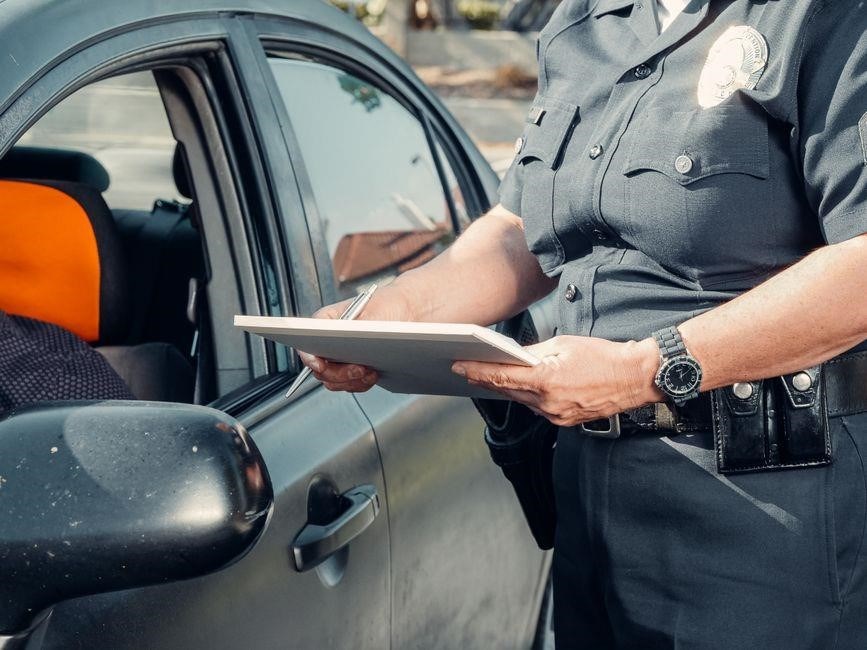
Arizona drivers are encouraged to remain calm, keep hands visible, and follow officers’ instructions during stops․ The manual advises to pull over to a safe spot, turn off the engine, and keep the seatbelt fastened․ Drivers should provide the license, registration, and proof of insurance promptly, and avoid reaching for items unless requested․ If a traffic violation is cited, the driver may request a written citation and retain the right to contest it in court․ The manual also explains that drivers must not argue or become confrontational; instead, they should politely ask for clarification and comply with any additional checks․ In cases of a DUI or suspected impairment, officers may conduct a field sobriety test and, if necessary, a breathalyzer․ Drivers should cooperate but can request a lawyer if they feel their rights are being infringed․ The manual highlights the importance of understanding the “stop and give” protocol, where drivers must stop at a red light or stop sign, and the “give and go” protocol for yielding to pedestrians․ It also covers how to handle a traffic stop in a commercial vehicle, including the requirement to keep the vehicle’s registration and insurance visible․ Finally, the manual provides a list of common police questions and recommended responses, emphasizing honesty, brevity and the right to remain silent if advised by legal counsel․ Remember that cooperation with law enforcement not only ensures safety but helps maintain a respectful driving environment for Arizona residents․!
Road Rules and Traffic Laws
Arizona’s road rules emphasize safe driving, right-of-way, and speed limits․ Drivers must obey posted speed limits, which vary by road type: 55 mph on most freeways, 35–45 mph in residential zones, and 25 mph in school districts․ The manual stresses the importance of using turn signals at least 100 feet before a lane change or turn, and of maintaining a safe following distance—typically a three-second rule․ Pedestrian safety is paramount; drivers must yield to pedestrians at crosswalks, and must stop for school buses when the stop sign is extended․ The manual also covers the use of seat belts, child safety seats, and the prohibition of texting or using a handheld device while driving․ In Arizona, drivers must display a valid license, registration, and proof of insurance at all times․ The manual explains that failure to comply can result in citations, points on the driver’s record, and potential license suspension․ Additionally, the document outlines the rules for passing on highways, the use of lane markings, and the correct procedure for merging onto highways․ It also details the legal requirements for driving under the influence, including blood alcohol concentration limits and the penalties for DUI offenses․ Finally, the manual reminds drivers to stay alert for road hazards, obey traffic signals, and practice defensive driving techniques to reduce accidents․ Arizona also encourages drivers to stay informed about new traffic laws and to review the manual regularly to ensure safe and lawful driving practices․ for all․now!

Safety Tips and Defensive Driving
Arizona drivers are urged to adopt a defensive mindset, keeping a safe following distance, scanning the road ahead, and anticipating other motorists’ actions․ Always maintain a 3‑second gap on highways, and increase it in rain, fog, or heavy traffic․ Use your mirrors frequently and check blind spots before changing lanes․ When approaching intersections, slow down, look left, right, and left again, and obey traffic signals․ Yield to pedestrians, especially in school zones and crosswalks, and never assume a driver will stop․ Keep your headlights on during dusk, dawn, and inclement weather, and use fog lights when visibility drops below 200 feet․ Avoid distractions: put phones away, limit in‑car conversations, and refrain from eating or drinking while driving․ If you feel drowsy, pull over to a safe spot and rest․ In Arizona, seat‑belt laws are strict; all occupants must wear belts at all times․ Children under 8 must use a child safety seat, and those between 8 and 12 must use a booster․ Follow speed limits, but adjust for road conditions; a 55‑mph limit on a freeway may be unsafe on a wet, winding stretch․ Use turn signals well before turning, and never drive in the opposite lane to avoid collisions․ Practice “slow‑down, look, and signal” before merging onto a highway․ If you encounter aggressive drivers, keep your distance, avoid eye contact, and do not engage․ Finally, stay informed about new traffic laws and regularly review the manual to reinforce safe habits․ Safe driving reduces accidents and protects everyone on the road․ Always stay alert․

Consequences of Violations and Disciplinary Actions
Arizona enforces strict penalties for traffic violations․ Points accrue on a driver’s record, with 3 points for minor infractions and up to 6 for serious offenses․ Accumulating 12 points within a 12‑month period triggers an automatic suspension, while 18 points within 24 months can result in a license revocation․ Violations such as speeding, running red lights, or reckless driving may lead to fines ranging from $50 to $1,000, depending on severity and prior record․ Repeat offenders face escalating penalties: a first repeat may incur a 30‑day suspension, a second repeat a 90‑day suspension or a third repeat a 180‑day suspension or even revocation․ DUI charges carry consequences: mandatory attendance at an Alcohol Intervention Program, possible and jail time, and and a minimum 12‑month license suspension․ Commercial drivers face harsher penalties, including a 90‑day suspension for a first offense and a 180‑day suspension for subsequent offenses․ The Department of Public Safety also imposes administrative penalties such as mandatory traffic school, which can reduce points if completed within a specified timeframe․ Failure to comply with court‑ordered restitution or probation conditions can lead to further license suspension or revocation․ In cases of hit‑and‑run or negligent driving resulting in injury, drivers may be subject to civil liability, criminal charges, and permanent license loss․ Arizona law requires that all violations be reported to the Department, which maintains a public database of points and disciplinary actions․ Drivers can check their status online, but must be aware that points do not expire until the 12‑month period lapses․ Maintaining a clean record is essential for keeping insurance rates low and avoiding costly penalties;

Resources for Learning and Practice Tests
Arizona drivers can access a variety of study aids to prepare for the written knowledge test․ The official Arizona Department of Public Safety website hosts a downloadable PDF of the full Driver’s Manual, which covers every topic from traffic signs to safe‑driving practices․ In addition, the site offers an online practice test that mimics the real exam’s format, including multiple‑choice questions and time limits․ For those who prefer interactive learning, several third‑party platforms provide flashcards, video tutorials, and mobile apps that track progress and highlight weak areas․ Local community colleges and adult‑education centers often run free or low‑cost driver‑education courses, featuring hands‑on instruction and mock tests․ Public libraries also maintain a selection of printed manuals and practice test books․ Finally, the Arizona DMV’s “Driver’s License Renewal” portal includes a quick‑reference guide and a downloadable “Road‑Rules Quiz” that can be printed or taken online․ By combining these resources, applicants can build confidence, reduce test anxiety, and increase their chances of passing on the first try․