
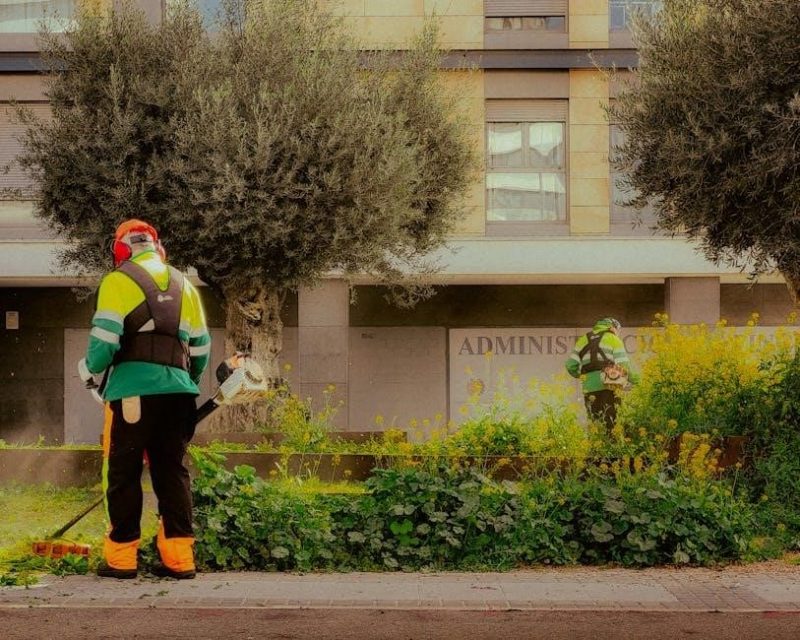
rm43 total vegetation control instructions
Struggling with unwanted plants? Our RM43 total vegetation control instructions will help you reclaim your outdoor space! Get expert tips & a beautiful lawn.
RM43 Total Vegetation Control: A Comprehensive Guide
Navigating landscapes effectively requires detailed planning; Google Maps offers tools for exploration, including Street View and indoor maps, aiding preparation and orientation.
Understanding RM43: What is it?
RM43 represents a powerful solution for comprehensive vegetation management, mirroring the detailed navigational assistance offered by platforms like Google Maps. Just as Street View provides a virtual exploration of environments, RM43 offers a targeted approach to controlling unwanted plant growth. This herbicide is formulated for total vegetation control, effectively eliminating a broad spectrum of annual and perennial weeds, grasses, and brush.
Its utility extends beyond simple eradication; it’s about preparing and orienting landscapes for specific purposes, much like utilizing indoor maps for building navigation. RM43’s effectiveness stems from its systemic action, disrupting plant processes at the root level, ensuring long-lasting control. Understanding its capabilities is crucial for responsible and efficient application, aligning with the precision found in modern mapping technologies.
RM43 Active Ingredients and Formulation
RM43’s efficacy is rooted in its carefully balanced chemical composition, akin to the intricate data layers within Google Maps providing detailed location information. The primary active ingredient is glyphosate, a non-selective systemic herbicide, typically formulated as a salt to enhance solubility and plant uptake. This formulation allows for efficient translocation throughout the plant, disrupting essential amino acid synthesis.
Additional components often include surfactants, improving spray coverage and penetration of the plant’s waxy cuticle, mirroring how 360-degree imagery enhances Street View’s realism. The concentration of glyphosate varies depending on the specific product, influencing application rates. Understanding this formulation is vital for maximizing control and minimizing environmental impact, much like responsible map usage.
Safety Precautions When Using RM43
Prioritizing safety during RM43 application is paramount, much like Google’s commitment to user security when exploring digital landscapes. Always read and strictly adhere to the product label’s instructions. RM43 can cause skin and eye irritation, necessitating protective measures. Avoid contact with skin, eyes, and clothing.
Ensure adequate ventilation during mixing, loading, and application. Be mindful of potential drift, safeguarding non-target plants and individuals. In case of accidental exposure, immediate first aid is crucial – flush eyes with water and wash skin thoroughly. Responsible handling, akin to respecting Google Maps’ terms of service, minimizes risks and ensures safe, effective vegetation control.
Personal Protective Equipment (PPE) Requirements
Just as explorers utilize specialized gear, proper PPE is essential when handling RM43. Mandatory equipment includes chemical-resistant gloves, such as nitrile or neoprene, to prevent skin contact. Wear long-sleeved shirts, long pants, and chemical-resistant footwear to maximize protection;
Eye protection is critical; use safety glasses with side shields or a face shield. A respirator may be required depending on the application method and ventilation. Regularly inspect PPE for damage and replace as needed. Proper attire, mirroring the detailed imagery of Google Street View, ensures a safe and controlled application process, minimizing potential hazards.
First Aid Measures for RM43 Exposure
Similar to having a map for unexpected turns, knowing first aid is crucial. If RM43 contacts skin, immediately wash the area thoroughly with soap and water. For eye contact, flush with copious amounts of water for at least 15 minutes, seeking medical attention afterward.
If inhaled, move to fresh air. In case of ingestion, do not induce vomiting; contact a poison control center or physician immediately. Having readily available information, like Google Maps’ real-time updates, is vital. Always consult the product label for specific instructions and keep emergency contact information accessible during application.
Preparing for Application: Site Assessment
Just as exploring a location with Google Maps before a visit is prudent, a thorough site assessment is essential before applying RM43. Identify target vegetation, noting species and density. Evaluate surrounding areas for desirable plants to protect, mirroring the care taken when navigating sensitive areas with Street View.
Assess soil type, drainage patterns, and potential for runoff, similar to checking traffic conditions. Consider wind direction and speed to minimize drift. Document existing conditions for post-application monitoring, much like recording a route for future reference. This detailed assessment ensures effective and responsible application.
Mixing and Loading RM43
Similar to carefully uploading a building plan to Google Maps for precise indoor navigation, accurate mixing and loading of RM43 is crucial. Always follow label instructions precisely, using calibrated measuring devices. Add RM43 to the spray tank while filling with water, ensuring thorough mixing – agitation is key.
Avoid exceeding recommended concentrations. Regularly check and maintain proper spray equipment function, akin to ensuring a device is compatible with Street View. Prioritize safety; wear appropriate PPE during this stage. Proper mixing guarantees optimal efficacy and minimizes potential issues during application.
Water Volume Considerations
Just as Google Maps utilizes satellite imagery for accurate location referencing, water volume is fundamental for RM43’s effectiveness. Lower volumes (e.g., 10 gallons per acre) are suitable for dense vegetation, maximizing contact. Higher volumes (e.g., 30 gallons per acre) are preferred for lighter infestations, ensuring thorough coverage;
Consider vegetation height and density when deciding. Adequate water volume facilitates proper herbicide distribution and adhesion to plant surfaces. Insufficient volume leads to reduced control, while excessive volume can cause runoff, mirroring the need for precise data in Street View. Always prioritize label recommendations.
Adjuvants and Compatibility
Similar to Google Maps integrating diverse data layers, adjuvants enhance RM43’s performance. Non-ionic surfactants improve spray coverage, crucial for effective herbicide absorption, much like Street View’s 360° images provide comprehensive visual data. Compatibility with other herbicides or fertilizers is vital; always conduct a jar test first.
Incompatible tank mixes can cause separation or reduced efficacy, mirroring invalid URLs leading to errors. Use only adjuvants specifically recommended for use with RM43. Refer to the product label for guidance on appropriate adjuvant types and rates. Proper mixing ensures optimal control and minimizes potential issues.
Application Techniques for Optimal Control
Achieving effective vegetation control with RM43, like navigating with Google Maps, demands precise techniques. Consistent spray droplet size and uniform coverage are paramount, mirroring the detailed imagery of Street View. Calibration of spray equipment is essential for accurate application rates, preventing under or over-treatment.
Consider terrain and vegetation density when selecting a nozzle type and pressure. Proper boom height ensures optimal coverage, similar to how indoor maps aid orientation within buildings. Thoroughly inspect equipment before each use, ensuring all components function correctly for reliable performance.

Broadcast Spraying
Employing broadcast spraying with RM43, akin to Google Maps’ wide-area coverage, requires careful consideration. This technique is best suited for large, uniform infestations where complete coverage is feasible; Maintain consistent speed and nozzle pressure to ensure even application across the target area, mirroring the consistency of satellite imagery.
Overlap spray passes slightly to avoid untreated strips, much like Street View’s overlapping images create a seamless view. Wind conditions are critical; avoid spraying when winds exceed recommended limits to prevent drift onto non-target plants. Regularly monitor spray patterns for uniformity and adjust equipment as needed for optimal results.
Spot Treatment Methods
Similar to pinpointing locations with Google Maps, spot treatment with RM43 focuses on individual plants or small, isolated infestations. This minimizes overall herbicide use and reduces the risk of non-target exposure. Utilize low-pressure nozzles and precise application techniques, directing the spray directly onto the foliage of the target vegetation.
Carefully shield surrounding desirable plants during application, functioning like indoor maps guiding you around sensitive areas. This method is ideal for controlling scattered weeds or brush in areas where broadcast spraying is impractical. Regularly inspect treated areas and reapply as needed for complete control, mirroring ongoing map updates.
Target Vegetation: What RM43 Controls
RM43 demonstrates broad-spectrum control, much like Google Maps’ extensive coverage, effectively managing a diverse range of unwanted vegetation. It targets annual and perennial grasses, broadleaf weeds, brush, and woody plants. Specific species include, but aren’t limited to, poison ivy, poison oak, kudzu, and various invasive species.
Effectiveness varies based on plant maturity and environmental conditions, requiring diligent monitoring, similar to tracking routes with real-time traffic updates. RM43 is particularly useful for clearing rights-of-way, industrial sites, and non-crop areas. Always consult the product label for a comprehensive list of controlled species and specific application recommendations, ensuring precise targeting.
Application Timing: Best Practices
Strategic timing, akin to planning a journey with Google Maps, is crucial for optimal RM43 performance. The most effective control occurs during active growth periods, generally spring and fall, when plants are actively translocating nutrients. Avoid application when plants are stressed due to drought or extreme temperatures.
Consider seasonal variations and local weather patterns; monitoring conditions is vital, mirroring the need for real-time traffic updates. Applications before seedhead formation in grasses and before leaf drop in broadleaf weeds maximize herbicide uptake. Always prioritize label instructions regarding temperature restrictions and rainfall considerations for best results.
Seasonal Considerations
Just as Google Maps adapts to changing landscapes, RM43 application must align with seasonal plant physiology. Spring applications target actively growing weeds before they establish robust root systems, maximizing herbicide effectiveness. Fall treatments focus on perennial weeds translocating resources to roots for winter storage, enhancing systemic control.
Summer applications may be less effective due to plant stress from heat. Winter applications are generally avoided due to dormancy. Understanding these seasonal nuances, similar to utilizing Street View for pre-trip planning, ensures optimal timing and minimizes the need for repeat treatments, promoting efficient vegetation management.
Weather Conditions for Application
Similar to how real-time traffic updates on Google Maps influence travel plans, weather significantly impacts RM43 efficacy. Avoid application if rainfall is expected within six hours, as precipitation can wash away the herbicide, reducing its impact. High winds (above 10 mph) can cause drift, affecting non-target plants – mirroring the potential for inaccurate directions.
Temperatures between 60°F and 85°F generally provide optimal conditions for absorption. Avoid application during extreme heat or cold, as plant physiological processes are hindered. Monitoring conditions, like checking a map before a journey, is crucial for safe and effective RM43 use.
RM43 Application Rates: Specific to Vegetation Type
Just as Google Maps provides tailored routes based on destination, RM43 rates vary depending on the target species. For annual grasses and broadleaf weeds, a rate of 4-8 ounces per acre is typically effective. Perennial grasses, however, often require 8-16 ounces per acre for adequate control, mirroring the need for longer routes.
Dense, established vegetation necessitates higher rates within the recommended range. Always consult the product label for specific recommendations, as rates can differ based on formulation and regional regulations. Accurate application, like precise navigation, is key to success.
Environmental Considerations and Stewardship
Similar to Google’s commitment to mapping the world responsibly, RM43 use demands careful environmental stewardship. Protecting non-target plants is paramount; avoid drift through precise application techniques, mirroring the accuracy of Google Maps’ directions.
Waterbody protection is crucial – maintain buffer zones and prevent runoff, akin to safeguarding sensitive areas on a map. Responsible disposal of containers and unused product minimizes environmental impact. Prioritize integrated vegetation management, combining RM43 with other methods for sustainable control, reflecting a holistic approach.
Protecting Non-Target Plants
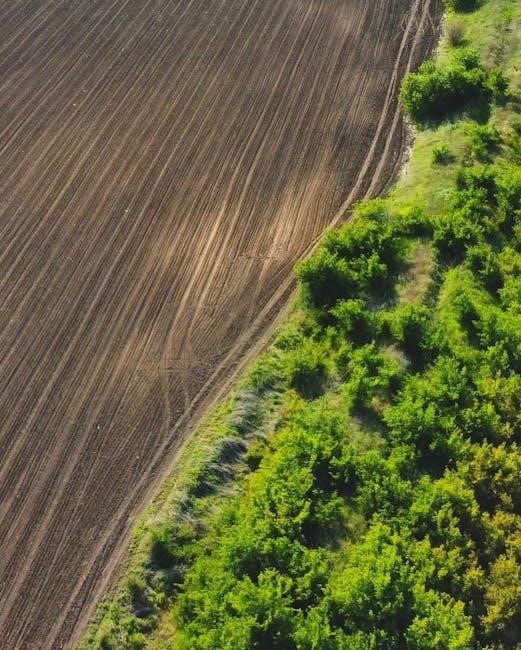
Just as Google Maps helps users navigate and avoid unwanted routes, careful RM43 application protects desirable vegetation. Drift is the primary concern; utilize low-spray-pressure nozzles and avoid application during windy conditions, mirroring the precision of Street View imagery.
Shielding sensitive plants with barriers during spraying minimizes exposure. Thoroughly clean equipment after use to prevent cross-contamination. Consider spot treatments instead of broadcast applications where feasible, focusing only on target species. Regular monitoring post-application identifies and addresses any unintended impacts, ensuring responsible land management.
Waterbody Protection and Runoff Prevention
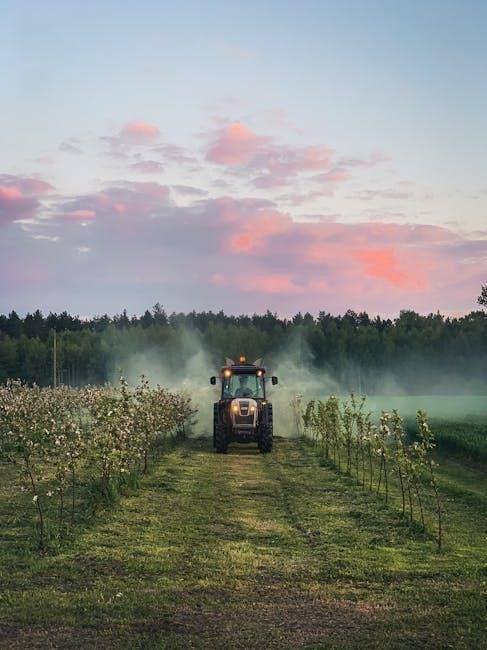
Similar to Google’s commitment to accurate mapping, responsible RM43 use demands safeguarding water resources. Establish buffer zones around all water bodies – lakes, rivers, streams, and wetlands – to prevent direct contamination, mirroring the detailed boundaries shown on Maps.
Avoid application before forecasted rainfall, minimizing runoff. Utilize erosion control measures on slopes. Contain any spills immediately, following label instructions. Proper disposal of rinse water is crucial; never discharge into drains or waterways. Prioritize application techniques that reduce drift, protecting aquatic ecosystems and maintaining water quality, just as Google prioritizes data integrity.
Storage and Disposal of RM43
Like Google’s secure data centers, proper RM43 storage is paramount. Store RM43 in its original container, tightly closed, in a cool, dry, well-ventilated area, away from food, feed, and water. Keep it locked and inaccessible to children and pets, mirroring security protocols.
For disposal, do not reuse the container. Triple rinse it and offer it for recycling if available, or dispose of it at an approved waste disposal facility, adhering to local regulations. Never pour unused product down the drain or into the environment. Follow all label instructions meticulously, ensuring responsible handling, similar to Google’s responsible data practices.
Troubleshooting Common Application Issues
Similar to resolving invalid URLs encountered on Google Maps, addressing RM43 application issues requires a systematic approach. Poor control often stems from insufficient coverage, incorrect mixing, or unfavorable weather. If vegetation isn’t responding, re-evaluate the application rate and ensure thorough spray coverage.
Drift can occur with windy conditions; adjust nozzle type or reduce spray pressure. If non-target plants are affected, immediately flush with water. Regularly check equipment for clogs or malfunctions, akin to Google’s vulnerability research. Always consult the label for specific troubleshooting guidance and report any persistent issues.
RM43 and Resistance Management
Just as Google Maps adapts with user feedback and updates, proactive resistance management is crucial for RM43’s long-term effectiveness. Repeated use of the same herbicide can lead to resistant weed populations. Implement strategies like rotating herbicide modes of action, utilizing tank mixtures, and incorporating cultural control methods.
Monitor treated areas for any signs of reduced sensitivity. Early detection of resistance is key, similar to identifying vulnerabilities in Google’s systems. Avoid relying solely on RM43; diversify your control tactics. Consult with local agricultural experts for tailored resistance management plans and stay informed about current recommendations.
Post-Application Monitoring and Follow-Up
Like Google’s continuous monitoring of Street View data for accuracy, diligent post-application monitoring is essential for RM43 success. Regularly inspect treated areas to assess control effectiveness, typically within 7-21 days after application. Document the results, noting any areas requiring retreatment or adjustments to the program.
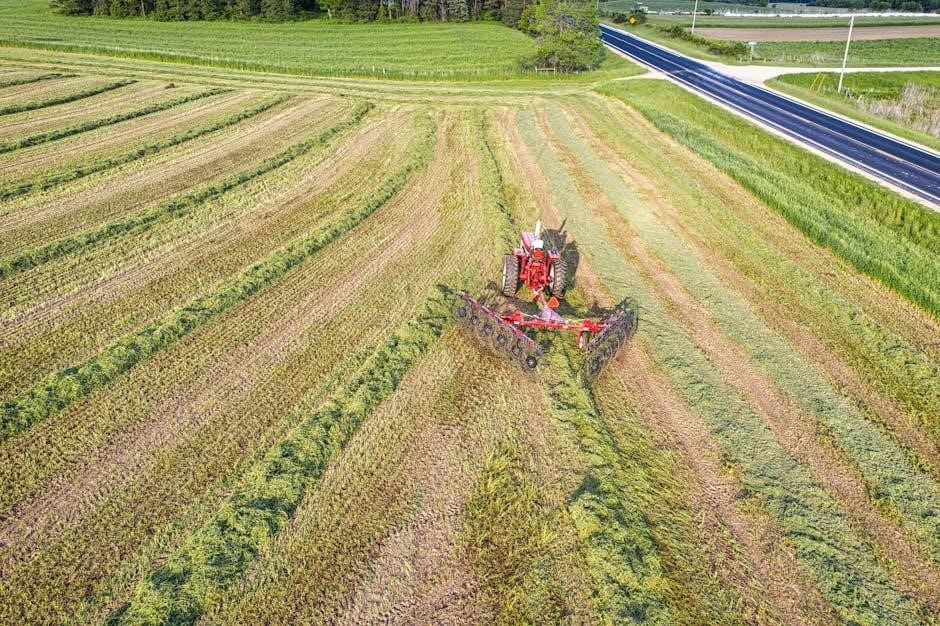
Follow-up applications may be necessary, particularly for perennial weeds or under unfavorable conditions. Consider factors like weather and regrowth patterns. Maintaining detailed records, similar to Google’s vulnerability research, aids in optimizing future applications and preventing resistance development. Address any escaped weeds promptly to prevent seed production.
Regulatory Information and Label Compliance
Just as Google Maps adheres to specific terms of service, strict adherence to RM43’s label is paramount. Always read and understand the entire label before using this product; it’s the law! The label contains critical information regarding application rates, safety precautions, and environmental restrictions.
Compliance with local, state, and federal regulations is non-negotiable. Keep the product label readily available during application and storage. Be aware of any specific restrictions related to waterbody protection or endangered species. Proper documentation, mirroring Google’s data handling, demonstrates responsible use and avoids potential penalties.